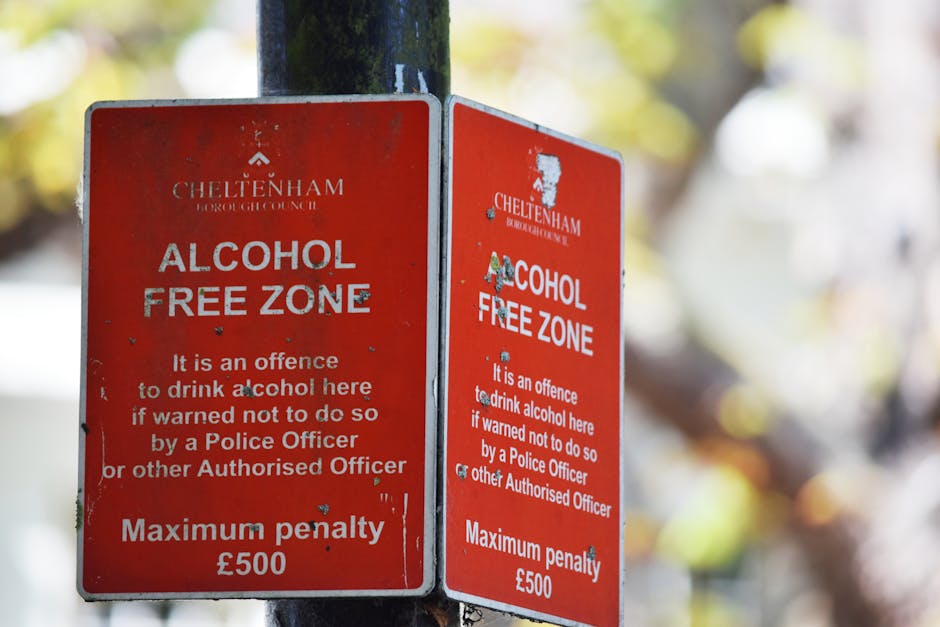
Barnet Council Permit Rules for Moving in Monken Hadley
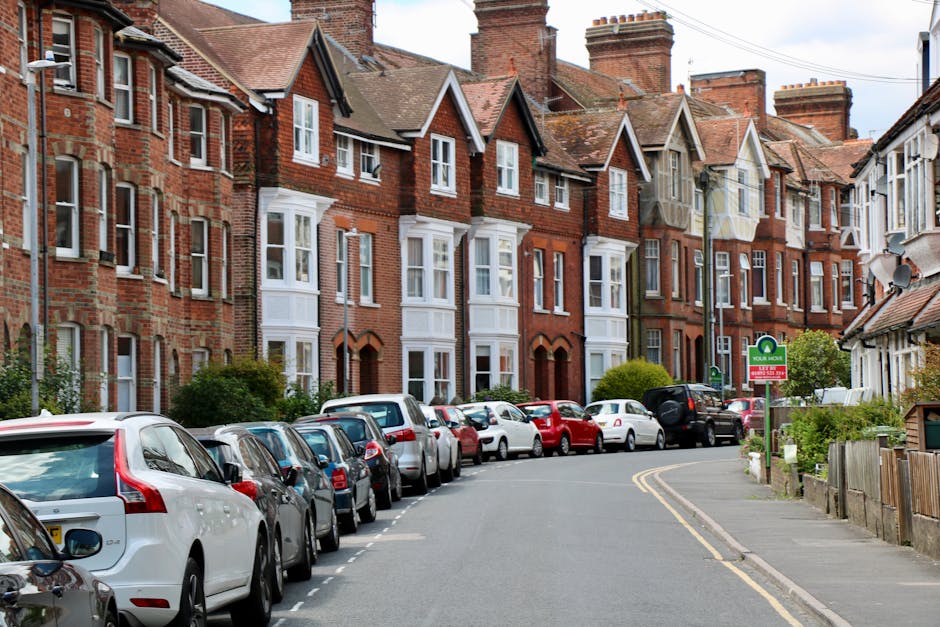
Moving home in Monken Hadley can be calm and well organised, but parking can turn it into a headache very quickly. If your van ends up too far from the property, every box feels heavier, every step takes longer, and the whole day starts to drift off schedule. That is why understanding Barnet Council Permit Rules for Moving in Monken Hadley matters before moving day arrives.
This guide breaks the topic down in plain English: what the permit rules mean, when they matter, how they fit into a real move, and what to do if your street is tight, busy, or awkward for loading. You will also find practical advice on planning, compliance, and avoiding the little mistakes that often create the biggest delays. Let's face it, moving is busy enough without adding a parking problem on top.
- Why the permit rules matter
- How the permit process works
- Benefits of getting it right
- Who needs to think about a permit
- Step-by-step planning guide
- Expert tips for a smoother move
- Common mistakes to avoid
- Tools, resources and recommendations
- Compliance and best practice
- Options and comparison
- Real-world example
- Practical checklist
- Frequently asked questions
Why Barnet Council Permit Rules for Moving in Monken Hadley Matters
Moving vehicles need space. In older London neighbourhoods and village-style streets like parts of Monken Hadley, that space is not always easy to find. A removal van parked badly can block traffic, upset neighbours, or create a real risk of a penalty notice. Even if you only expect to stop for an hour or two, the rules can still apply.
The practical issue is simple: a successful move depends on access. If the van cannot park close enough to the entrance, the team spends more time carrying items, the move takes longer, and fragile furniture spends longer in the open air. That matters whether you are moving a studio flat, a family house, or an office with awkward equipment.
In Monken Hadley, the exact street, bay layout, and time of day can make a big difference. A quiet morning may look easy, then suddenly school runs, residents' cars, or narrow road widths make the job much harder. That is where planning around Barnet Council permit rules becomes less about admin and more about protecting the move itself.
Key takeaway: if your moving vehicle needs to stop in a controlled bay, on a restricted street, or in a way that affects public parking, check permit requirements early. It is much easier to sort out before the boxes are stacked by the front door.
If you are already planning the rest of the move, it helps to read practical prep advice too, such as smooth and stressless house moving tips and what to do when your Monken Hadley move has no parking. They fit neatly with permit planning, because parking and loading are usually the same problem wearing different hats.
How Barnet Council Permit Rules for Moving in Monken Hadley Works
At a high level, the permit system is there to control where and how a vehicle can stop, wait, or load. In practice, the details depend on the street, the type of restriction in place, the time you need the space, and the size of the vehicle. This is why people often say, "I only need a few minutes," and then discover the street rules do not care very much about good intentions.
For moving day, the main question is usually whether the vehicle can legally stop where you need it to. If the answer is no, you may need some form of parking permission, dispensation, or loading arrangement. The exact process can vary, so the safest approach is to treat permit checks as part of the move plan, not as a last-minute rescue job.
There are a few common situations where the rules tend to matter:
- loading or unloading in a restricted bay
- parking on a street with controlled parking zones
- using a long wheelbase van that needs more space than a private car
- moving in a narrow road where the van may obstruct access
- handling a move that may take longer than a quick drop-off
For a local move, it is often worth combining permit planning with route planning. Some streets are fine at 10 a.m. and difficult by lunchtime. Others are the opposite. If you are moving from a flat, take a look at flat removals Monken Hadley guidance and the broader services overview so you can match the service to the access reality, not just the postcode.
A useful way to think about it: the permit is not the move. It is the thing that makes the move possible without unnecessary friction. Small distinction, big difference.
Key Benefits and Practical Advantages
Sorting permit rules early gives you more than peace of mind. It directly improves the way the day runs. You get better access, less waiting, and fewer arguments with the clock. In moving work, time really is one of the hidden costs, and lost time tends to snowball.
Here are the clearest benefits:
- Better vehicle access: the removal team can park closer to the property.
- Faster loading and unloading: less carrying, fewer trips, smoother movement.
- Lower risk of disruption: fewer chances of blocking neighbours or awkwardly sharing the road.
- More accurate planning: you can build realistic timings into the day.
- Reduced stress: no one wants to stand in the rain wondering where the van can legally stop.
There is also a service-quality angle. A move that is planned around access and parking usually feels more professional and less frantic. That matters if you are juggling children, work calls, building access, or a handover deadline. You notice it in the little things: fewer apologetic phone calls, less shuffling furniture around the street, and fewer "we should have checked that earlier" moments.
If you are comparing moving support, it may help to review man and van Monken Hadley, man with a van Monken Hadley, and removal services Monken Hadley to decide what level of help matches your access needs. For compact moves, smaller vehicles can sometimes make permit planning simpler. Sometimes. Not always, but often enough to matter.
Who This Is For and When It Makes Sense
This topic is relevant to anyone moving in or out of Monken Hadley, but it becomes especially important in a few common situations. The more constrained the street, the more likely the permit question becomes central rather than optional.
You should pay attention if you are:
- moving from a terraced house or narrow residential street
- booking a removal van for a flat move with limited frontage space
- moving furniture from a property with no driveway
- coordinating office equipment or multiple heavy items
- trying to move on a weekday when parking is already under pressure
- using a van that is larger than a typical family vehicle
Students moving locally also need to think about this, even though the move may be smaller. A few boxes and a mattress still need a legal stopping point. If that sounds familiar, the student removals Monken Hadley page is worth a look when planning a lighter, faster move.
In some cases, you may not need a formal permit at all if the vehicle can use a private driveway, off-street loading area, or unrestricted space. But do not assume that's the case just because the move looks easy on paper. Streets in Monken Hadley can be deceptively tight. You turn the corner and suddenly the van feels twice as large. Funny how that happens.
Step-by-Step Guidance
Here is the practical sequence that tends to save the most headaches. Use it as a working plan rather than a rigid rulebook.
- Check the property access first. Look at the width of the road, the distance from the door to the nearest legal stopping point, and whether there are bays, yellow lines, or controlled spaces nearby.
- Decide what vehicle is actually needed. A smaller vehicle may be enough for a flat or light move. A larger van may need more planning, especially if the street is narrow.
- Estimate the loading time honestly. Be realistic. A "quick move" has a habit of becoming a longer one once drawers, bed frames, and awkward corners get involved.
- Confirm whether a permit or dispensation is needed. If public parking or restricted stopping is involved, this is the point to check the council's rules carefully through the proper local route.
- Book the right moving slot. Avoid the most congested times if possible. Early starts can help, but only if everyone in the house is ready.
- Prepare the property for loading. Boxes by the door, paths cleared, and fragile items separated. A tidy departure makes the access issue less intense.
- Keep evidence and confirmations together. If a permit has been arranged, keep the confirmation accessible on move day in case anyone asks.
- Build in a buffer. Traffic, weather, and neighbours all love to appear at the wrong moment. A 15-minute buffer can save a lot of panic.
For a smoother packing side of the job, creative packing tips for an organized house move is a practical companion read. If the permit question is about space, packing neatly helps you make the most of the space you do get.
Also, if you are moving large items like a bed, sofa, or piano, access planning becomes more important than people expect. Those pieces do not forgive a bad parking decision. A good next step is preparing to move your bed and mattress or how to move a piano without stress if your move includes something delicate or bulky.
Expert Tips for Better Results
After enough local moves, you start to see the same pattern: the best outcomes usually come from boring, careful planning. Not glamorous, but it works. Here are the habits that make the biggest difference in Monken Hadley.
- Check access at the exact time you plan to move. Parking availability can change through the day.
- Use a smaller vehicle if the move allows it. A shorter van is sometimes easier to place legally.
- Keep heavy items close to the exit point. The fewer internal turns and long carries, the better.
- Tell neighbours in advance if space may be temporarily affected. It is a small gesture that often prevents complaints.
- Separate loading from sorting. You do not want to be deciding what to keep while a van waits outside.
- Take photos of the parking layout before the move. This helps you remember what was available if you need to review the plan later.
One local-move lesson that is easy to overlook: weather can change the whole experience. A dry street in the morning is one thing. A wet, narrow road with a van door open and boxes being carried across puddles? Different story entirely. Plan for the less friendly version of the day, and you will usually be fine.
If you are moving larger household items into storage while waiting for access or keys, the following may help: storage Monken Hadley, how to store your sofa for future use, and creative ways to safely store your nonactive freezer. That can take pressure off if parking or timing does not line up perfectly.
Common Mistakes to Avoid
Most permit-related moving problems are not dramatic. They are small errors that pile up. The good news is that they are all avoidable if you catch them early.
- Leaving parking planning until the day before. This is the big one. It often leads to rushed decisions.
- Assuming a short stop is automatically allowed. Short does not always mean free from restrictions.
- Forgetting the size of the vehicle. A van that looks manageable on a driveway may be a nuisance on-street.
- Not checking loading restrictions separately. Parking rules and loading rules are not always the same thing.
- Ignoring residents and neighbours. A blocked entrance creates avoidable tension.
- Overestimating speed. Boxes, stairs, awkward furniture, and last-minute disassembly always add time.
Another common slip is treating the permit as a standalone issue and forgetting the rest of the move. In reality, it all ties together: packing, access, vehicle choice, and cleaning. If you want the whole move to feel less chaotic, decluttering techniques and leaving a perfectly clean house can make a real difference to the pace of the day.
Truth be told, most "permit issues" are really planning issues in disguise.
Tools, Resources and Recommendations
You do not need a complicated toolkit to manage parking and permit planning well. What helps most is having a few practical things in place before moving day.
- A street photo or site note: a quick visual reminder of bay signs, yellow lines, or tight corners.
- A move-day timeline: rough time blocks for arrival, loading, departure, and keys.
- Inventory list: so you know which items need the van closest to the door.
- Boxes and labels: good packing reduces loading time, especially when parking is limited.
- Contact details for the mover: handy if access changes unexpectedly.
If you are still shaping the moving plan, these pages can help in sensible, non-dramatic ways: packing and boxes Monken Hadley, furniture removals Monken Hadley, and house removals Monken Hadley. They are useful because permit rules only solve one part of the puzzle.
If you are planning a bigger move and want to understand costs and payment side by side with access planning, it may also help to review pricing and quotes and payment and security. Not the flashiest part of moving, but it keeps expectations tidy.
Law, Compliance, Standards, or Best Practice
When a move affects public roads, parking bays, or controlled stopping areas, it is sensible to treat the council's rules as mandatory rather than optional. The exact local requirements can vary by street and by the type of restriction in place, so any moving plan should be built around the current local conditions, not guesswork.
From a best-practice point of view, the core principles are straightforward:
- do not block access unnecessarily
- do not assume loading is always permitted
- allow time for checking restrictions properly
- keep confirmation details available on the day
- respect residential access and neighbour convenience
Professional moving teams generally work to the principle of safe, legal access. That ties in with general health and safety expectations too, especially where heavy lifting, narrow entryways, and public footpaths are involved. If you want to see how a moving provider frames those responsibilities, the health and safety policy and insurance and safety pages are useful points of reference.
For particularly awkward streets, the best practice is usually to plan the move around the road, not force the road to fit the move. That sounds obvious, but people forget it under pressure. A little patience at the start often prevents a lot of trouble later.
Options, Methods, or Comparison Table
If you are deciding how to handle parking for a move in Monken Hadley, these are the usual approaches. The right answer depends on the road, the vehicle, and how much loading you need to do.
| Approach | Best for | Pros | Trade-offs |
|---|---|---|---|
| Private driveway or off-street loading | Homes with enough frontage space | Simple, low stress, usually quickest | Not available on many local streets |
| Controlled street parking with permitted access | Moves near restricted bays or timed parking zones | Closer access, more predictable loading | Needs planning and confirmation |
| Short-distance carry from a nearby legal space | Smaller moves or flexible schedules | Can avoid some permit complexity | More carrying, slower process, more effort |
| Smaller van or split load | Narrow roads and compact moves | Easier to place, easier to manoeuvre | May need more than one trip |
For many local households, the easiest answer is not the biggest van or the smallest van, but the one that best fits the street. If you need a road-by-road mindset, the pages Monken Hadley common removals street-by-street guide, best removal access tips for Hadley Green Road Monken Hadley, and Monken Hadley Lane removals narrow-street solutions are especially relevant.
Case Study or Real-World Example
Picture a fairly ordinary weekday move in Monken Hadley. A family is leaving a first-floor flat, with a sofa, bed, dining table, and several heavy boxes. On paper, it looks straightforward. In reality, the road outside is already lined with parked cars, and the nearest proper stopping point is farther from the door than anyone hoped.
They start by checking the access early, rather than waiting until moving morning. That gives them time to choose a smaller removal vehicle and organise loading from the closest legal space. The boxes are pre-labelled, the mattress is wrapped, and the heavier furniture is kept near the exit. Nothing fancy. Just well done.
Because parking is planned properly, the team avoids repeated shuttling between the van and the property. The move finishes sooner, the neighbours are less disrupted, and no one is standing around staring at a parked vehicle like it has personally offended them. A small detail, but it changes the whole tone of the day.
That is the quiet value of getting the permit side right. It does not make the move glamorous. It makes it workable.
If your move includes larger items or a longer hold between addresses, you may also find removal van Monken Hadley, same day removals Monken Hadley, and removals Monken Hadley useful when thinking about overall logistics.
Practical Checklist
Use this as a final pre-move check. It is simple, but it catches the usual problems.
- Check the street layout and likely stopping space.
- Confirm whether the van will need permission to park or load.
- Choose the correct vehicle size for the road, not just the volume of goods.
- Mark fragile, heavy, and priority items clearly.
- Prepare boxes and dismantled furniture before the van arrives.
- Keep the move-day schedule realistic, with a small time buffer.
- Make sure confirmations and key contact details are easy to find.
- Tell neighbours if the move may affect access for a while.
- Check any building rules if you are moving from a flat or managed property.
- Review packing, storage, and furniture handling support if needed.
For anything bulky or difficult, it can also help to look at solo heavy object handling and kinetic lifting for practical lifting awareness. Not because you need to become a superhero, just because moving heavy things badly is a very quick way to regret the afternoon.
Conclusion
Getting your head around Barnet Council permit rules for moving in Monken Hadley is one of those tasks that seems small until it saves the day. Good parking and access planning can reduce stress, protect your belongings, and keep your move on schedule. More importantly, it helps you move through the day with a bit of calm, which is no small thing when there are keys, boxes, and timings all competing for attention.
The best approach is simple: check access early, plan the vehicle around the street, and treat permit questions as part of the moving strategy rather than a separate chore. If you do that, the whole process becomes much more manageable. A lot more manageable, actually.
If you are still shaping your move and want a practical next step, review your access, compare support options, and build your packing and loading plan around the space you really have. That is where the easiest wins usually are.
Get a free quote today and see how much you can save.
And if the day gets a little messy, as moving days sometimes do, keep going. The boxes do get there, the van does unload, and the house eventually starts to feel like yours.
Frequently Asked Questions
Do I need a council permit for a removal van in Monken Hadley?
Not always, but you may need permission if the van has to park in a restricted bay, controlled parking zone, or another space governed by local parking rules. The safest approach is to check the street conditions before moving day.
Can I just stop briefly to load furniture without a permit?
Sometimes loading is allowed, sometimes it is restricted, and sometimes time limits still apply. A quick stop is not automatically exempt from the rules, so do not assume it is fine just because it feels brief.
What happens if the removal van cannot park close to the property?
The team may need to carry items farther, which can slow the move and increase the chance of delays. In tighter streets, it can be worth adjusting the vehicle size or moving time to improve access.
How far in advance should I check parking or permit requirements?
Earlier is better. A few days ahead gives you time to make changes if the street is awkward or if the first plan will not work. Leaving it to the last minute is where most stress comes from.
Do flat moves need the same parking planning as house moves?
Often yes, sometimes even more so. Flats can involve shared entrances, narrow roads, and less direct access than houses. That means the parking plan matters just as much, if not more.
Is a smaller van better for Monken Hadley streets?
In many cases, a smaller van is easier to place legally and manoeuvre safely. But the right choice depends on the volume of goods and the access available. Smaller is not automatically better if it means extra trips.
Can I use my driveway instead of worrying about council rules?
If the vehicle can park entirely on private land and loading can happen safely from there, that may simplify things a lot. Still, make sure the driveway is wide enough and that the path to the property is practical.
What if my move includes very heavy items like a piano or large sofa?
Then access planning becomes even more important. Heavy items are harder to carry over long distances, so parking close to the property can save time and reduce risk. It is worth reviewing specialist handling advice before the day.
How do I avoid upsetting neighbours during a move?
Keep the loading area as tidy as possible, avoid unnecessary blocking, and let neighbours know if access will be affected. A polite heads-up goes a long way. It sounds basic, but it really does help.
Should I plan parking before or after booking the removal service?
Ideally, both happen together. Parking affects vehicle choice, timing, and price. If you understand the street first, the rest of the moving plan becomes much easier to shape.
What if I am moving at short notice?
Focus on the essentials: access, vehicle size, loading order, and any immediate restrictions on the street. Short notice moves can still go well if the parking side is handled quickly and sensibly. That said, it is always a bit tighter.
What is the best first step if I am unsure about the rules?
Start with the property access and the street itself. Then build the move around what is actually possible, not what would be convenient. If needed, compare service options such as removal companies Monken Hadley and about us to understand who can help with planning and handling.
Where can I find more moving help for a local Monken Hadley move?
Useful next steps include reading about packing, access, storage, and special-item handling. The most relevant pages will depend on your move, but the goal is always the same: make the day predictable, legal, and less tiring. That's the sweet spot.