How to Legally Dispose of Hazardous Waste in Monken Hadley
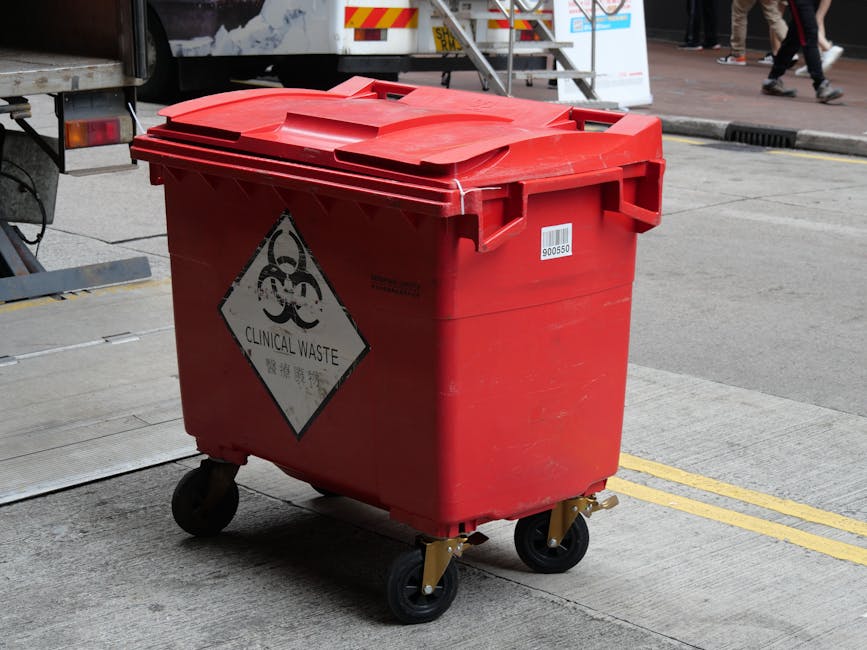
Hazardous waste is one of those things people often leave until the last minute, then realise it is a bit more serious than a broken chair or an old lamp. If you are trying to work out How to Legally Dispose of Hazardous Waste in Monken Hadley, the good news is that the process is manageable once you know what counts as hazardous, who can handle it, and how to avoid the usual mistakes. Paint tins, solvents, batteries, fluorescent tubes, aerosols, chemicals, contaminated rags, and old DIY products all need a more careful approach than normal household rubbish.
This guide walks you through the practical side of getting it done properly in Monken Hadley. You will find out what hazardous waste actually means, how the disposal process usually works, what to do before you move it, and how to stay on the right side of safety and compliance. There is also a checklist, a comparison table, and a realistic example so you can picture the whole thing clearly. Let's make it straightforward.
- Why it matters
- How the process works
- Key benefits and practical advantages
- Who needs this and when it makes sense
- Step-by-step guidance
- Expert tips for better results
- Common mistakes to avoid
- Tools, resources and recommendations
- Law, compliance, standards, or best practice
- Options, methods, or comparison table
- Case study or real-world example
- Practical checklist
- Conclusion
- Frequently asked questions
Why How to Legally Dispose of Hazardous Waste in Monken Hadley Matters
Hazardous waste is not just "messy stuff you do not want in the shed anymore". It can harm people, contaminate soil and water, damage vehicles and storage areas, and create legal headaches if it is passed to the wrong person. In a residential area like Monken Hadley, where homes, gardens, and local streets sit close together, even a small spill can become everyone's problem very quickly. That is why proper disposal matters so much.
There is also a simple truth here: the safer and cleaner the waste is when it leaves your property, the easier it is to handle. A half-open tin of paint with a leaking lid, or a box of mixed chemicals thrown together in a hurry, is harder and riskier for everyone involved. If you sort it properly first, the whole process becomes less stressful. Not glamorous, maybe, but very effective.
For households, landlords, tradespeople, and small businesses, the challenge is often the same: you want a lawful route that does not involve guessing. That means understanding what must be separated, packaged, labelled, and handed over responsibly. It also means choosing a disposal route that fits the type and amount of waste you have. Some items can go through local household hazardous waste arrangements, while others need a specialist carrier or licensed facility. The key is not to wing it.
If your waste comes from a move, renovation, office clear-out, or decluttering project, it is sensible to plan the disposal early. That is where services such as home moves and office removals can help with the non-hazardous side of a project, while hazardous items are separated and managed on their own. Different waste streams need different treatment. Simple enough, really, once you see it in layers.
How How to Legally Dispose of Hazardous Waste in Monken Hadley Works
The legal disposal process usually follows a few common steps: identify the waste, separate it by type, store it safely, and hand it over to the right collection or disposal route. That is the short version. The longer version is a little more hands-on, especially if you have mixed items from cleaning products, decorating, light electricals, and garden work all sitting in one place.
First, identify what you have. Hazardous waste can include materials that are poisonous, flammable, corrosive, reactive, or otherwise harmful. Household examples include leftover paint, varnish, solvent-based cleaners, pesticides, engine oil, bleach in large amounts, gas canisters, fluorescent tubes, and batteries. Business examples may also include contaminated absorbents, printer toner, certain workshop chemicals, or maintenance waste.
Next, separate items into sensible groups. Do not pour liquids together. Do not place batteries loose with metal scraps. Do not mix oils with water-based products. If you are unsure whether two things should travel together, keep them apart. That little bit of caution saves a lot of trouble later.
After that, store the waste securely until it can be removed. The basic rule is common sense, but in practice it means keeping lids tight, containers upright, and hazardous materials away from heat, children, pets, and ignition sources. Cardboard boxes are not a great plan for anything that can leak. A sturdy tray or sealed container is usually better.
Then comes the handover. Depending on the type of waste, this might mean taking it to an appropriate civic or household facility, booking a specialist disposal service, or arranging a collection through a compliant waste carrier. For larger clear-outs, a professional mover or removals team may help with the safe transport of packaged items, though they should only handle hazardous waste if their service and permissions actually cover it. That distinction matters a lot. If in doubt, ask directly.
Finally, make sure there is a record of what was moved and where it went, especially for commercial waste. Businesses generally need stronger documentation than private households, and even homeowners benefit from keeping receipts or collection details. If something ever goes wrong, having a paper trail is a relief.
Key Benefits and Practical Advantages
Doing this properly has clear benefits beyond simply avoiding fines or awkward conversations. It keeps your home or premises safer, protects the people handling the waste, and reduces the chance of contamination. That is the practical side. There is also a quieter benefit: the job feels properly finished when you know it has been handled lawfully.
- Safer storage before collection - less chance of leaks, fumes, fire risk, or accidental exposure.
- Cleaner property management - especially useful during renovation, house clearance, or end-of-tenancy work.
- Reduced compliance risk - important for landlords, tradespeople, and businesses.
- Better recycling potential - some items can be recovered or processed rather than simply discarded.
- Less stress - knowing the right route is half the battle, to be fair.
There is also a financial angle. If hazardous waste is mixed in with ordinary waste, it can make disposal more complicated and sometimes more expensive. Careful sorting helps prevent that. And if you are moving house or clearing a property, separating hazardous materials in advance can make the rest of the move smoother. A service like man with van may be useful for non-hazardous items once the dangerous products have been removed and packaged separately. Just keep the streams distinct.
One more advantage people overlook: good waste management can make a property feel calmer. It sounds a bit odd, but a garage with neatly separated materials and clear labels feels very different from a random pile of "things to sort later". The second version always ends up being the stressful one.
Who This Is For and When It Makes Sense
This guide is useful for homeowners, tenants, landlords, tradespeople, office managers, and anyone dealing with leftover chemicals or potentially harmful materials. It is especially relevant during decorating, spring cleaning, moving day, or after a project that has created more waste than expected. Let's face it, that happens more often than people admit.
You may need a proper disposal plan if you have:
- old paint, gloss, thinners, or varnish
- batteries or battery packs from tools, toys, or equipment
- cleaning chemicals, drain products, or pesticides
- aerosol cans, gas canisters, or pressurised containers
- fluorescent tubes or broken lamps
- oily rags, engine fluids, or workshop residues
- electrical items with damaged components
It also makes sense if you are clearing a loft, shed, office storeroom, or utility area and you are not sure what is safe to move with the rest of the waste. In those cases, separating hazardous items early is one of the smartest things you can do. You might even find it makes the entire clearance less expensive, because the non-hazardous waste can be handled in a simpler way.
For businesses, the need is even clearer. Offices and commercial premises can generate printer consumables, cleaning products, maintenance residues, and packaging contaminated by those materials. A business that already uses commercial moves or office relocation services should build hazardous waste handling into the move plan rather than leaving it until the final day. That final day is always busier than it looks on paper.
Step-by-Step Guidance
Here is a practical way to handle the process without turning it into a full-scale project.
- Identify the waste category. Check whether the item is a liquid, solid, pressurised container, battery, chemical, or electrical item. If it might be hazardous, treat it cautiously until confirmed otherwise.
- Sort items by type. Keep paints with paints, oils with oils, batteries with batteries, and do not mix products that can react.
- Keep original labels where possible. Labels help everyone understand the contents and risks. If a label has fallen off, make a simple note on the container.
- Seal and contain. Use closed lids, leak-proof tubs, or trays to prevent spills. Wrap broken items carefully.
- Check whether the item can be reused or returned. Some unopened or partly used materials may be suitable for another project if they are still in good condition.
- Choose the correct disposal route. This may be a specialist collection, a licensed waste facility, or a suitable local disposal arrangement, depending on the item and quantity.
- Move the waste safely. If you are transporting it yourself, secure the load so it cannot tip or leak. Keep it upright and separate from passengers where possible.
- Keep your records. Save receipts, collection notes, or any relevant paperwork, particularly for business waste.
If you are also arranging a property clearance, it often helps to tackle the hazardous items first, before the general moving work starts. In our experience, that makes the rest of the day feel less chaotic. A team dealing with man and van removals or removal services can then focus on furniture, boxes, and ordinary household items without hazardous materials in the mix.
One small but useful tip: set up a "do not touch yet" box for anything uncertain. It sounds basic, but it prevents well-meaning family members or colleagues from sweeping unknown items into the wrong pile. That one box can save a lot of hassle.
Expert Tips for Better Results
A few habits make the whole process safer and easier. None of them are complicated, which is probably why people skip them. Still, they help.
- Use a staging area. Keep all hazardous items in one clearly marked corner so nothing gets lost in the shuffle.
- Never guess with mixed chemicals. If you are uncertain, separate the items and seek proper guidance from the disposal provider or local service.
- Don't overfill containers. A half-empty container is often safer than a packed one, especially for liquids and aerosols.
- Keep absorbent material nearby. Paper towels, sand, or a spill kit can help contain a minor leak quickly.
- Schedule disposal before a move or refurbishment begins. The minute the deadline arrives, people start making rushed decisions. That is usually how mistakes happen.
If you have items from a larger house project, think about the order of operations. Hazardous waste should leave the property before the final moving day if possible. That reduces the amount of "special handling" on the day when everything else is already competing for attention. It is a small planning move, but it pays off.
And yes, write things down. A plain notebook is fine. A spreadsheet is fine too, if you are the organised type. No judgement. Some people label every box; others rely on memory and coffee. One of those methods tends to be less reliable than the other.
Common Mistakes to Avoid
Most hazardous waste problems come from predictable errors, not dramatic disasters. The most common one is mixing items that should stay apart. Paint thinner with paint. Batteries with general rubbish. Cleaning products with garden chemicals. That kind of thing. It may seem harmless in the moment, but it creates risk and can make disposal impossible or more expensive.
Another mistake is putting hazardous waste into ordinary household bins. This can endanger waste handlers and may breach local rules. A third mistake is leaving containers open, damaged, or unlabelled. Even if you know what they are, the person collecting them may not. And they are the one taking the risk, so clarity matters.
People also forget about partially used materials. That half tin of varnish in the shed? Still counts. The old aerosols in the garage? Still count. The rusty can under the sink? Very likely still relevant. Hazardous waste has a habit of hiding in plain sight.
For businesses, a big mistake is assuming a general removal crew can take everything. Standard moving teams are great for furniture, boxes, and equipment, but hazardous materials need explicit confirmation that the service is suitable and permitted. If you are booking a vehicle through moving van or a similar service, check the scope first. It is a simple question, but an important one.
One more thing: do not wait until collection day to sort the items. A last-minute pile-up is where labels go missing and lids get left loose. You know the scene. Everyone is standing around, trying to work out what goes where, and nobody is especially happy.
Tools, Resources and Recommendations
You do not need fancy kit, but a few practical tools make life much easier:
- Sturdy plastic tubs or trays for containing leak-prone items
- Permanent marker and labels to mark contents clearly
- Disposable gloves for handling dirty or chemical-coated items
- Absorbent material for minor spill control
- Sealable bags for small items like batteries or contaminated cloths
- A checklist or inventory sheet so nothing gets forgotten
For larger clearances, using the right support service can be sensible. If the non-hazardous part of the job needs transport, a team offering removal van or removals van support can help move boxed household items once the dangerous materials have been separated. For customers who need a broader moving solution, the pages for removals and movers may also be useful alongside a proper hazardous waste plan.
It is also worth reviewing a company's safety and sustainability information before you book anything. The pages on health and safety policy, insurance and safety, and recycling and sustainability can help you understand how the business approaches care, responsibility, and disposal-minded work. That sort of detail matters more than people think.
Law, Compliance, Standards, or Best Practice
Hazardous waste handling in the UK is governed by legal duties around safe storage, transport, and disposal, and the exact requirements depend on whether the waste is domestic or business-related. It is best to treat any uncertain item cautiously and follow recognised safe-handling practices rather than improvising. For commercial premises, the standard expectation is that waste is stored correctly, transferred to an appropriate carrier, and documented properly.
In plain English, that means three things: know what the waste is, hand it to the right person, and keep proof of what happened. If you are a business owner or landlord, do not assume "someone else will sort it out". The duty of care usually starts with the person who produced or controlled the waste. That is the part people miss when they are in a hurry.
Best practice also means avoiding cross-contamination. A container with several unknown liquids mixed together is a problem before it even leaves the property. Likewise, a broken container should be stabilised and secured before movement. If a specialist disposal provider is needed, make sure they are properly authorised for the type of waste involved. Asking that question is not rude. It is responsible.
If you are arranging transport during a move, make sure the removal provider knows what is and is not being carried. A reputable company will want that information anyway. That is especially true if you are combining storage clear-outs with moving work, or if the job involves a lot of packing and unpacking before the property changes hands. In those cases, see whether packing and unpacking services can support the non-hazardous part of the process while hazardous items are treated separately.
Options, Methods, or Comparison Table
There is more than one lawful way to deal with hazardous waste, and the best option depends on what you have, how much there is, and whether the waste came from a home or a business. Here is a practical comparison.
| Method | Best for | Pros | Limitations |
|---|---|---|---|
| Separate household disposal | Small amounts from homes | Simple, cost-conscious, suitable for occasional items | Not ideal for bulk waste or mixed materials |
| Specialist collection | Complex, bulky, or sensitive waste | Convenient and safer for difficult items | May require scheduling and a higher service fee |
| Licensed disposal facility | Items that need structured processing | Strong compliance and controlled handling | Requires transport and correct preparation |
| Mixed removal with segregation | Moves or clearances where waste is already sorted | Efficient if the non-hazardous and hazardous streams are clearly separated | Only works if the hazardous material is excluded from standard load handling |
For many Monken Hadley households, the simplest route is to separate the hazardous items first, then deal with the rest through a standard clearance or removal process. For businesses, the answer is usually more formal and documentation-heavy. That is not overkill; it is just the reality of regulated waste handling.
Case Study or Real-World Example
Imagine a family in Monken Hadley preparing to move after years in the same house. The loft, the shed, and a kitchen cupboard have quietly accumulated old paint, cleaning sprays, batteries, a couple of broken bulbs, and a half-used tin of wood treatment. Nothing dramatic. Just the usual "we'll deal with that later" pile.
Instead of throwing everything in one box, they sort the materials by type. The paint stays sealed and upright. The batteries go into a separate container. The fluorescent tubes are wrapped and labelled. The aerosols are kept away from heat and stored apart from the liquids. Then they remove the hazardous items before the rest of the move begins. It takes a little longer that afternoon, sure, but it prevents delay on moving day and avoids the awkward question of what the removal team can legally carry.
With the hazardous waste removed in advance, the family can then focus on the ordinary move through a service like house removals without worrying about dangerous items being tucked behind furniture or packed in with clothes. The result is calmer, cleaner, and easier to manage. Truth be told, that is the sort of small planning step people rarely regret.
What made the difference was not specialist knowledge. It was simply sorting early, labelling properly, and not mixing materials that should never have met each other in the first place. Simple, but powerful.
Practical Checklist
Use this checklist before you dispose of any hazardous waste in Monken Hadley:
- Identify each item and confirm whether it is hazardous
- Separate liquids, solids, batteries, aerosols, and electrical items
- Keep original labels where possible
- Seal containers and check for leaks or damage
- Store items away from heat, flames, children, and pets
- Do not mix different chemicals or unknown products
- Choose the correct disposal route for the item type
- Ask whether the carrier or facility is suitable for the waste you have
- Keep receipts, notes, or transfer details for your records
- Remove hazardous waste before a move, clearance, or refurbishment if possible
If you have a lot of ordinary items to move at the same time, a practical removal plan can help keep things under control. Services such as man and van or removal company support can be useful for the non-hazardous part of the job, while the hazardous materials are handled separately and lawfully. That split is usually the cleanest solution.
Get a free quote today and see how much you can save.
Conclusion
When you break it down, How to Legally Dispose of Hazardous Waste in Monken Hadley is really about three things: identifying the waste correctly, separating it properly, and choosing a lawful route for disposal. The process becomes much less intimidating once you stop thinking of it as one big problem and treat it as a series of small, sensible steps.
That approach protects your home, your neighbours, your family, and anyone who handles the waste after you. It also saves time later, which is something you feel more than you plan. If you are moving, clearing out, or reorganising a property, deal with the hazardous items first and the rest of the job becomes easier almost immediately. A little patience now can spare a lot of friction later.
If there is one takeaway here, it is this: do the careful bit before the busy bit. Future-you will be grateful. Probably very grateful, actually.
Frequently Asked Questions
What counts as hazardous waste in a home?
Common household hazardous waste includes leftover paint, solvents, aerosols, batteries, certain cleaning products, garden chemicals, fluorescent tubes, engine oil, and damaged electrical items with risky components.
Can I put hazardous waste in my general rubbish bin?
No, not if it is genuinely hazardous. Mixing it with normal rubbish can create safety risks for waste handlers and may breach disposal rules. Keep it separate and use the correct route.
How should I store hazardous waste before collection?
Keep it sealed, upright, clearly labelled, and away from heat, flames, children, and pets. If something leaks, place it in a contained tray or a suitable secondary container.
Do I need special paperwork for household hazardous waste?
Householders usually need less paperwork than businesses, but it is still wise to keep collection notes or receipts. For commercial waste, records are much more important and should be kept carefully.
Can a removals team take hazardous waste as part of a move?
Only if the service is suitable and the provider confirms it can lawfully carry that waste type. Standard moving services usually handle furniture and ordinary items, not hazardous materials.
What should I do with old paint tins?
Keep them sealed and separate from other waste. Do not mix different paints or pour leftovers into drains. Depending on the condition and quantity, they may need specialist disposal or a suitable collection route.
Are batteries classed as hazardous waste?
Many batteries should be handled carefully because they can leak or react if damaged. Keep them separate, avoid crushing them, and store them in a safe container until disposal.
What if I do not know what a container contains?
Do not mix it with anything else. Isolate it, keep it stable, and seek guidance from a suitable disposal provider before moving it further. Unknown chemicals are one of those things you do not want to experiment with.
Is it cheaper to separate hazardous waste before a clearance?
Often, yes. Separating hazardous items early can reduce complications and allow the rest of the clearance or move to be handled more simply. It also avoids delays on the day.
How soon should I deal with hazardous waste before a house move?
Ideally, before the main move starts. That gives you time to sort, store, and dispose of it properly without adding pressure to moving day. When the boxes start multiplying, you will be glad you did.
What is the safest way to move broken fluorescent tubes?
Wrap them securely, keep them stable, and handle them as fragile hazardous items. Avoid loose transport where they can rattle, break further, or contaminate other belongings.
Who is responsible for hazardous waste from a business?
Usually the business or the person who produced or controlled the waste has a duty to ensure it is handled correctly. That includes storing it properly, transferring it to the right party, and keeping records.
For local help with the moving side of a project, you can also explore about us, review the details in pricing and quotes, or get in touch through the site's contact options when you are ready to plan the practical next step. Sometimes a short conversation is all it takes to turn a messy job into a manageable one.