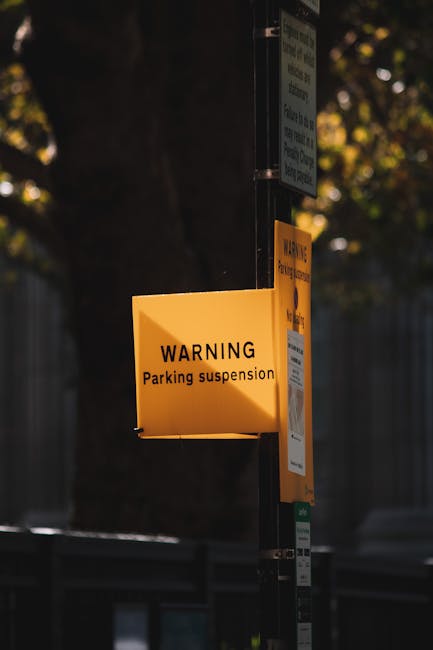
London Borough of Barnet: Parking Suspensions and Your Move
Posted on 12/07/2026

If you are moving house, flat, or office in north London, parking can become the one detail that turns a decent moving day into a messy one. In the London Borough of Barnet: Parking Suspensions and Your Move situation, the issue is usually not the boxes or the stairs. It is the van space, the loading bay, the temporary suspension, and the awkward moment when the vehicle arrives and the curb is already taken. That is where a bit of planning pays off properly.
This guide explains what parking suspensions mean for a move in Barnet, why they matter, how the process usually works, and what you can do to keep the day moving. You will also find a checklist, a comparison table, and a few practical examples from the sort of streets where a van can feel very much in the way. Truth be told, it is one of those topics people only notice once the clock is ticking.
Why London Borough of Barnet: Parking Suspensions and Your Move Matters
A parking suspension is not just a bit of roadside bureaucracy. For anyone moving in Barnet, it can decide whether the van can stop close to the property, whether furniture can be carried safely, and whether the whole job runs to time. When the nearest legal parking space is several houses away, every sofa, wardrobe, and box has to travel farther. That adds delay, effort, and risk.
In practical terms, parking problems tend to affect three things at once. First, the pace of the move. Second, the safety of the items and the people carrying them. Third, the cost, because extra time and awkward access can change the shape of the job. If you have ever watched someone try to wheel a heavy mattress down a narrow pavement while traffic hums past, you will know it is not ideal.
Barnet has a mix of streets that range from broad residential roads to tight turns, controlled parking zones, and busy main routes. That means moving day access can be simple in one street and fiddly in the next. For that reason, parking suspensions are worth thinking about early, not as an afterthought at 8:15 on the morning of the move.
If your move involves a top floor flat, bulky furniture, or limited on-street space, the parking arrangement becomes part of the logistics. It is not separate from the move. It is the move.
How London Borough of Barnet: Parking Suspensions and Your Move Works
At a simple level, a parking suspension is a temporary restriction that reserves a section of road for a specific purpose. In a moving context, that purpose is usually loading, unloading, or access for removal vehicles. The idea is to prevent other vehicles from using the space at the moment you need it.
The exact process can vary depending on the street, the type of bay, the local restrictions, and the timing of the move. In many cases, the person organising the move needs to plan ahead and request the suspension or an alternative arrangement well before moving day. Leave it until the last moment and things get a lot harder, fast.
It also helps to understand that a parking suspension does not always mean a personal reserve space right outside the door. Sometimes it means a bay or length of kerb is restricted for a specific period, but the practical benefit depends on the street layout. If the road is narrow or the pavement is cluttered with cars, you still need a workable unloading point.
Here is the bit many people miss: a suspension only solves part of the puzzle. You still need to think about vehicle size, turning room, neighbour access, and whether furniture can be carried safely from the van to the property. That is why some movers treat parking as one line in the checklist rather than the whole plan.
For a broader look at move preparation, it can help to read about smooth and stressless house moving tips and creative packing tips for an organized house move. Parking and packing are not identical jobs, of course, but they shape each other more than people expect.
Key Benefits and Practical Advantages
Getting parking sorted before the move gives you far more than convenience. It makes the whole day feel controlled. And on moving day, controlled is good.
- Shorter carrying distances: fewer steps between van and property means less fatigue and less chance of bumping furniture into walls or railings.
- Better timekeeping: if the vehicle can stop close to the entrance, loading and unloading can happen more efficiently.
- Safer handling: carrying a heavy item a short distance is always easier than moving it through half the street.
- Less neighbour disruption: a clear plan is usually tidier and less annoying for everyone nearby.
- Lower stress: fewer improvised fixes, fewer arguments, fewer "we'll just have to wing it" moments.
There is also a hidden benefit: parking planning helps you think through the whole move properly. Once you start asking where the vehicle can stop, you usually end up considering access routes, lift availability, loading order, and whether any items should be dismantled in advance. That is a good thing. A move becomes easier when the moving day chain of events is thought through from start to finish.
For example, if you are moving a bed and mattress from an upstairs room, the difference between a kerbside stop and a distant parking spot can be the difference between a tidy, single-carry route and a slow, stop-start haul. If that is on your list, the guide on preparing to move your bed and mattress is worth a look.
Who This Is For and When It Makes Sense
Parking suspensions matter most when the move has any of the following ingredients: a large van, bulky furniture, a busy road, a permit-controlled bay, or a property with limited drive access. In Barnet, that covers a lot of normal moves, not just the awkward ones.
This topic is especially relevant if you are:
- moving from or into a flat with no private parking;
- using a removal van or a larger man and van vehicle;
- moving on a street with limited waiting or loading space;
- arranging a same-day move and need rapid access decisions;
- moving office equipment, specialist items, or multiple large pieces;
- helping a student move in or out of a shared house;
- dealing with a property where neighbours often park tightly along the kerb.
Sometimes the need is obvious. Sometimes it creeps up on you. A person thinks, "We'll be fine, there's usually somewhere outside." Then moving day arrives, a contractor's van is there, and a delivery truck is halfway across the road. Not ideal, obviously.
If you are handling a move with awkward access, a little more planning can save a lot of grief. People moving into flats often find this especially true, which is why flat removal support is often discussed alongside access planning, even when the move itself is otherwise straightforward.
Step-by-Step Guidance
A good parking plan does not need to be complicated. It just needs to be early, realistic, and confirmed. Here is a practical way to approach it.
- Check the street conditions early. Look at the road outside your property and think like a van driver. Is there enough room to stop? Are there yellow lines, bays, school markings, or resident-only restrictions?
- Measure the access properly. Narrow roads and tight corners matter more than people assume. A van may technically reach the street but still struggle to position safely.
- Estimate the item flow. Are you moving boxes only, or a mix of beds, sofas, wardrobes, and office furniture? The more bulky the load, the more important close access becomes.
- Plan the timing. Early morning can be calmer, but not always. Midday may be busier. Think about local traffic, school runs, and resident parking habits.
- Decide whether a suspension is needed. If no practical loading space exists, a suspension or an alternative access plan may be sensible.
- Build a backup option. Even a careful plan can change on the day. You may need a secondary loading point or a short carrying route from another legal space.
- Share the details with everyone involved. Your movers, family, and anyone helping on the day should know where to park, where to carry from, and what the order of loading is.
A small detail often makes a large difference: label the heaviest and most urgent items first. When the van can stop close to the door, it is much easier to load furniture in a clean sequence rather than constantly reshuffling things. For heavier and awkward items, the advice in solo heavy object handling can be useful, though for most household moves it is still wiser to have proper help rather than play hero.
Expert Tips for Better Results
The best parking plans are often the boring ones. Not glamorous, just effective. The goal is to remove surprises before they turn up wearing muddy boots.
Start with the practical route, not the paperwork. Before you worry about requests or forms, think about the actual path from van to front door. How many turns? How many stairs? Any low branches, tight gates, or awkward corners?
Use the shortest sensible carry route. Sometimes the legally obvious stopping point is not the most helpful one. A slightly different position can save a lot of walking, if it remains safe and allowed.
Keep a clean loading zone. On moving day, a bit of clutter becomes a genuine hazard. Bins, plant pots, bike locks, and loose boxes all create trip risks. It sounds small. It isn't.
Think in terms of sequence. Load the things that need to be near the van opening first, and keep fragile items away from the messier foot traffic. One misplaced box can throw the rhythm off. Happens all the time.
Have a recovery plan for delays. If a suspended bay is occupied, the move should not collapse. Keep a phone charged, know your alternatives, and stay calm enough to make a decent decision.
If your move also involves decluttering before packing, that is not a separate job either. It can make a huge difference to the number of trips between the door and the van. The article on decluttering techniques for a calmer move fits neatly here, because fewer items usually means fewer access headaches.

Common Mistakes to Avoid
Most moving-day problems are not dramatic. They are small planning misses that stack up. A space not reserved. A van too large for the road. A box that should have been set aside last night. You know the type.
- Leaving parking planning too late. A last-minute approach can leave you without a workable stopping point.
- Assuming the road will be clear. It may not be. Local parking habits are rarely as predictable as you hope.
- Choosing the wrong vehicle size. Bigger is not always better if access is tight.
- Forgetting the return trip. You may need the space to be clear at both loading and unloading stages.
- Blocking neighbours or driveways. That is a quick way to turn a manageable move into a tense one.
- Ignoring the carrying distance. People focus on the van and forget the walk from the van to the front door.
- Not preparing the bulky items first. Items like sofas, beds, and pianos need their own plan.
The heavier the item, the less forgiving the access. A piano, for instance, is not something you want to improvise with while half the road is already narrowed by parked cars. If that is part of your move, the guide on moving a piano without stress is a sensible companion read.
And yes, sometimes people try to save time by "just parking wherever fits." Let's be honest, that usually feels clever for about twelve seconds.
Tools, Resources and Recommendations
You do not need a huge toolkit to manage parking and access well. But a few basic items and habits make life easier.
- Measuring tape: useful for checking furniture dimensions and access widths.
- Notebook or move checklist: helpful for recording parking arrangements, time windows, and access notes.
- Phone with calendar reminders: so you do not forget deadlines or booking times.
- High-visibility mindset: not a gadget, but worth saying. Keep carrying routes clear and predictable.
- Furniture protection: blankets, wraps, and padding reduce risk if a carry takes longer than expected.
- Spare plans for storage: if items need to be held temporarily, short-term storage can reduce pressure.
For general move preparation, packing support can help too. A good set of boxes, proper labels, and a clean order of loading often reduce the amount of time the vehicle needs to spend outside. If you are getting items ready in advance, packing and boxes support can fit nicely into the bigger moving plan.
Storage is also useful when your access window is tight and you need to stage items in a controlled way. That is where storage options in Monken Hadley can be a practical buffer rather than a panic purchase.
Law, Compliance, Standards, or Best Practice
Parking suspensions sit in the world of local traffic management, so it is wise to treat them as a formal issue rather than a casual arrangement. Even when a move is domestic and routine, the rules around waiting, loading, yellow lines, and restricted bays still matter. If you are unsure, the safest approach is to verify the current local requirements before the move rather than rely on memory or neighbour advice.
For movers and residents, the main best-practice points are straightforward:
- follow local parking controls and restrictions;
- do not assume a space is usable just because it looks empty;
- keep loading time within the agreed or sensible limits;
- avoid obstructing access for emergency vehicles, pedestrians, or neighbours;
- use the correct vehicle positioning and make the unloading route safe;
- document any arrangements so there is less confusion on the day.
From a safety angle, the moving company or helpers should apply normal manual-handling care. This means sensible lifting, coordinated carrying, and avoiding overreach. The physical act of loading is just as important as the parking arrangement. If you want a refresher on safe handling habits, the article on kinetic lifting and safe movement is a nice reminder that technique matters more than bravado.
Insurance and responsibility also deserve a moment. If items are being moved by a professional team, it is sensible to understand what cover and safety arrangements are in place. That is not being fussy. That is being sensible. For a clearer picture, insurance and safety information is relevant reading before any sizeable move.
Options, Methods, or Comparison Table
When dealing with parking and access in Barnet, there is rarely just one correct answer. The right method depends on the street, the property, and the size of the move. Here is a practical comparison.
| Approach | Best For | Advantages | Possible Drawbacks |
|---|---|---|---|
| Reserved or suspended kerbside access | Moves with bulky items or limited parking | Short carrying distance, faster loading, less lifting strain | Needs planning and may still require backup if the space is taken |
| Using the nearest legal public space | Smaller moves or streets with some flexibility | Often easier to organise quickly | Longer carry, more time, more physical effort |
| Timed loading with a smaller vehicle | Light or medium moves | Better manoeuvrability in tight roads | May require more trips and careful scheduling |
| Staging items into storage first | Complex moves or delayed handovers | Reduces pressure on one moving day | Extra step and additional handling |
Sometimes the best option is a mix of methods. For example, a household move may use close access for furniture, then storage for items that are not needed immediately. If you have a sofa or freezer that is not going straight into the new property, those specific storage guides can help: how to store your sofa for future use and creative ways to safely store a non-active freezer.
Case Study or Real-World Example
Picture a typical Barnet move on a residential street with steady daytime parking pressure. The family is moving from a second-floor flat into a nearby house. They assume the van will park outside for most of the day. On arrival, the closest spaces are already filled, and the next legal spot is a fair walk away. The first few boxes are manageable. Then the mattress comes out, followed by the chest of drawers, and suddenly the carrying route is longer than expected.
What changed the day was not heavy furniture alone. It was the access. Once the mover shifted to a better stopping point and reorganised the load order, everything calmed down. The job still took effort, but it stopped feeling chaotic. That is the real lesson. Access planning does not remove work. It removes the unnecessary kind.
In another common scenario, a student moving out of a shared house may only have a few bags and boxes. Here, a full suspension might not be essential. But if the building is on a busy road with a short loading window, even a small delay can create a domino effect. That is why student removals support often works best when paired with clear timing and a simple vehicle plan.
If you are moving on a day when parking pressure is unusually high, same-day support can also make sense. There are times when you simply need a quick, practical response rather than a perfect plan. For those moments, same-day removals help can be the difference between a move that stalls and one that keeps moving.
Practical Checklist
Use this checklist the week before your move, then again the evening before. A quick review in the morning is not a bad idea either.
- Confirm the exact moving date and arrival time.
- Inspect the road outside both properties for restrictions and likely parking pressure.
- Decide whether a suspension, loading bay, or alternative arrangement is needed.
- Measure large furniture so loading order makes sense.
- Identify stairs, lifts, gates, or narrow corridors that may slow the move.
- Prepare packaging, labels, and protective materials.
- Tell neighbours if access may be briefly affected.
- Keep phones charged and contact details ready.
- Set aside key documents, keys, and valuables separately.
- Plan a backup space in case the first stopping point is occupied.
If you are preparing a larger home move, it can also help to review house removals in Monken Hadley and think through the bigger picture rather than just the van position. The parking decision should support the move, not be the thing everyone keeps arguing about in the street. It happens, sadly.
One last practical note: if you are dealing with a cluttered property, a quick declutter or waste pass before the move can reduce the number of items needing close access. That frees up time and makes the parking plan easier to execute. Small win, but a real one.
Conclusion
Parking suspensions and access planning are not glamorous parts of moving, yet they often decide how smooth the day feels. In Barnet, where road layouts and parking pressure can vary street by street, planning ahead is rarely wasted effort. It helps protect your time, your furniture, your budget, and your patience.
Whether you are moving from a flat, a family home, or a small office, the key is the same: think about the vehicle before the boxes start moving. If you make parking part of the plan from the beginning, the rest of the move usually behaves much better. Not perfect, just better. And on moving day, better is a lovely thing.
Get a free quote today and see how much you can save.